For boAt, the journey from a disruptive startup to a mainstay of India’s consumer tech landscape has been about more than just scaling sales. The brand has anchored itself in a "culture-first" philosophy, using a deep-seated connection with the Indian youth to transition from basic accessories into a comprehensive lifestyle ecosystem. As the market navigates a cluttered digital space and a shifting retail environment, boAt’s strategy remains focused on balancing mass-market accessibility with an increasingly sophisticated premium portfolio.
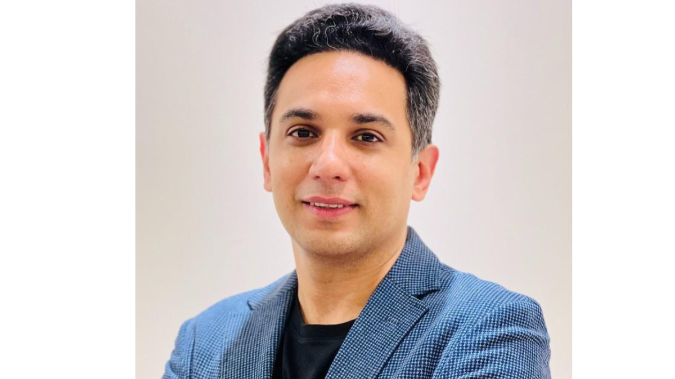
In a conversation with FE BrandWagon, Gaurav Nayyar, CEO, boAt, discusses the brand's evolution from charging cables to a connected community, the role of data and AI in staying ahead of the curve, and the "big bet" on building an integrated tech ecosystem that resonates from India’s heartland to the global stage. (Edited Excerpts)
1. boAt went from selling cables to becoming a full-blown lifestyle brand. How did that transformation happen?
Honestly, boAt didn’t start with this big vision of becoming a lifestyle brand. When Sameer and Aman started in 2016, the gap they saw was pretty simple. If you wanted good design or quality in consumer electronics, you were almost always paying a premium for international brands. And they felt that didn’t make sense for the Indian consumer. The ‘so what’ was obvious, we need to build products that look good, work well and are accessible for Indian consumers. We started with charging cables and basic accessories but soon realised that space was commoditised. Everything looked the same: “no brand, no personality, no connection with the consumer.”
That’s when the thinking really evolved. Instead of just selling products, we wanted to build something that people could relate to. Personal audio became the key turning point for us, with earphones, headphones, and speakers. These devices you use every day are also a form of self-expression. We leaned heavily into design, colours, and making products feel more “you”, not just functional.
Around the same time, India was also evolving, smartphones were exploding, internet access was growing, and people’s aspirations were changing. We were building in the middle of that shift. Expanding into wearables and other categories was a natural step but the bigger focus was always on staying connected to what young consumers cared about, which is music, sports, gaming, and creators. That’s really how the “boAthead” community came together over time. Today, we see ourselves less as a lifestyle brand and more as a consumer tech company that’s built for India in terms of design, engineering, and even manufacturing, with a strong push on Make in India.
2. Youth is at the heart of everything boAt does. How do you keep that connection authentic as the brand keeps growing?
Youth has never been a “target audience.” It’s just who we are as a brand. From the start, the idea wasn’t just to sell products. We wanted to build something that Indian youth can relate to “reflects their energy and mindset”. Now the real challenge is how to keep that real as you grow? For us, a big part of it is just staying close to our consumers. Our community, the boAtheads, is very vocal. They’ll tell you straight up what they like, what they don’t, what feels fresh, and what feels outdated. And we genuinely pay attention to that.
The second thing is staying plugged into culture. Music, gaming, cricket, creators, “that’s where our consumer/target audience is spending their time”. So what we do isn’t just marketing, it’s just being present in those spaces naturally.
You have to move fast. Youth culture changes quickly. What’s relevant today can feel old in a few months. So we try to stay flexible in design, in products, even in how we communicate. And I think the most important part is just staying true to yourself.
boAt has always been loud, expressive, and disruptive. We’ve grown, but we haven’t tried to become something we’re not. So yeah, nothing very complicated. Stay close to your audience. Stay connected to culture. And keep evolving with them. That’s really what keeps it authentic.
3. How has influencer and celebrity marketing shaped boAt's identity and how do you pick who truly belongs in that world?
At boAt, influencer and celebrity marketing has never been about reach but it is always about culture. We were very clear from the start that if we want to build a youth brand, we can’t sit outside culture; we have to be part of it. So when we started working with celebrities/creators, the filter was simple: does this person actually fit who we are?
Not just popularity. Not just numbers. For example, Ranveer Singh - someone like Ranveer brings a very unapologetic, high-energy personality. This fits perfectly with what we’re trying to build. Jemimah - she represents ambition and fearlessness in sport. KR$NA brings authenticity from the hip-hop space. Each of them represents a different shade of youth culture. That’s our philosophy that we don’t look at these as endorsements, but people who genuinely belong in the same world as our consumers.
4. How is boAt leveraging its digital-first DNA and data insights to cut through the noise and stay ahead of consumer trends?
In today's crowded and expensive digital world, we believe that you cannot simply outspend. Instead, we focus on being culturally relevant and smart with our money. We are close to trends and conversations, using early investment to support artists like AP Dhillon and Diljit Dosanjh at the time of their major cultural rise. As we grow, we operate as a startup with an emphasis on spending appropriately rather than spending more; a good idea will eventually be shared by others if it has true value to the audience.
As a digital-first company, we have a data advantage; most of our interactions with consumers occur through social media, marketplaces and our own platforms. Therefore, we can see what and how consumers are using our products in real time and use this information to inform product decisions like design and pricing. Our technology for demand forecasting and supply chain management will allow us to use AI increasingly to analyse large-scale feedback and trends at a much faster rate. However, the purpose of collecting data is not purely for the purpose of collecting data; the real purpose is to have the ability to make changes quickly when we receive the data and adjust accordingly to consumer behaviour and trends.
5. boAt offers products at both ends of the price spectrum. How do you market a premium offering in metros while keeping the brand accessible to consumers in Tier 2 or Tier 3 cities?
This was actually a very natural evolution for us. Early on, people connected strongly with the brand. And over time, we saw their lifestyles evolve. The same consumer who bought an entry-level product 3-4 years ago is now ready to upgrade. So instead of forcing one brand to do everything, we built layers. That’s where things like Nirvana in audio or Valour in wearables come in with more premium experiences. At the same time, our core range stays accessible, especially for Tier 2 and Tier 3 consumers. The idea is simple: wherever you are in your journey, there should be a boAt product for you.
6. From earwear to smartwatches, boAt now spans many categories. How do you keep the brand feeling cohesive?
Even though we’ve expanded, the core hasn’t changed. Everything we build still comes back to one thing: Does this fit into the lifestyle of our consumer? Whether it’s earwear, watches, or speakers, the thinking is the same: strong design, reliable performance and accessible pricing. Also, the brand has a very distinct personality. It’s expressive, a bit bold, very youth-driven. That consistency shows up across categories. And honestly, the community plays a big role here. We’re constantly listening, so even when we expand, it still feels like the same brand.
7. As boAt eyes global expansion over the next five years, how do you plan to scale your "Indian identity" into a global lifestyle ecosystem?
Being an Indian brand is something we see as a strength rather than a weakness. The basic pillars we have set up here are technology, culture and design. These are things that are highly relevant at a global scale because the youth, the culture, and the technology that we talk about are global phenomena. As we expand into global markets, it’s not about changing who we are; it’s about taking who we are and evolving it slightly. I think there’s a great narrative in building a global consumer technology brand out of India.
So, in terms of where we are headed, clearly, it’s about taking our position as leaders and taking it to a much larger scale. It’s about expanding from just audio and wearables into audiovisual equipment, into grooming products and into smart devices that form a part of the ecosystem of a technology-enabled lifestyle. It’s also about taking a big leap in terms of offline distribution in Tier 2 and Tier 3 cities. If I had to say one big bet for me would be building a technology ecosystem for a lifestyle that’s both global in its appeal and has originated from India.