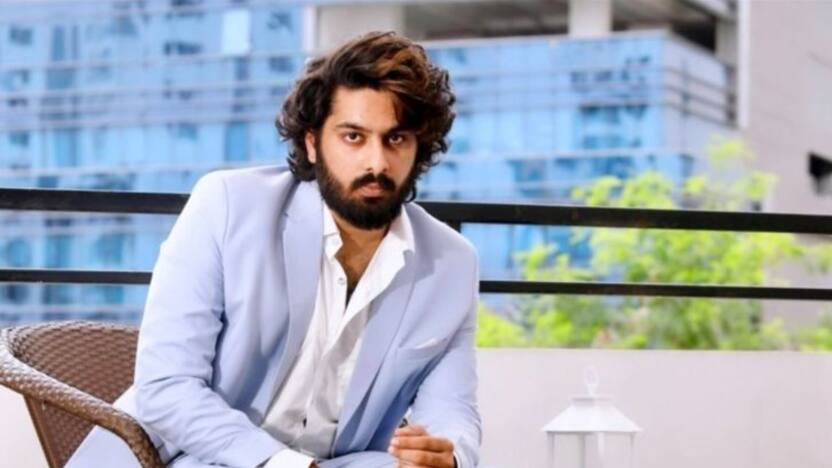
India’s personal styling market is moving away from trend-led consumption towards identity-driven dressing, says Sai Kiran Vemuri, Founder and CEO of Hyderabad-based fashion-tech startup Stylz. The shift reflects broader changes in how consumers—particularly Gen Z and millennials—engage with fashion, technology and self-expression.
Founded in Hyderabad, Stylz uses artificial intelligence combined with human stylist inputs to offer personalised styling recommendations. The platform analyses individual features such as body type, complexion, lifestyle and personal preferences using an India-focused dataset, aiming to address the country’s regional and cultural diversity.
From trends to identity-led fashion
According to Vemuri, one of the most significant changes shaping India’s styling landscape is the move away from occasion-based dressing towards personality-led style choices.
“People are no longer dressing just for events or trends. Style has become a daily form of self-expression,” he notes. Consumers increasingly expect styling tools to understand their personality, routines and comfort levels, rather than simply recommending what is popular.
This behavioural shift has influenced how AI-driven styling platforms are evolving—moving from static outfit suggestions to more adaptive systems that learn from user behaviour over time.
Hyper-personalisation driven by daily habits
As hyper-personalisation becomes central to fashion and retail, platforms like Stylz are focusing on contextual data—such as climate, lifestyle patterns and usage habits—to refine recommendations.
Instead of focusing only on wardrobe items, AI models are being trained to understand how people actually live and dress day-to-day. This includes repeat outfit preferences, comfort thresholds and evolving style choices, allowing recommendations to feel more natural and less prescriptive.
Industry observers say this approach reflects a broader trend across digital consumer platforms, where utility and relevance are increasingly valued over inspiration alone.
Addressing India’s diversity gap in fashion tech
One of the challenges in scaling personal styling technology in India is accounting for regional, cultural and body-type diversity. Fashion preferences can vary significantly across cities and communities, influenced by climate, lifestyle and cultural norms.
Vemuri says styling engines must adapt to these variations rather than offering a single aesthetic standard. This includes recognising different modesty preferences, size needs and regional fashion sensibilities—an area where many global fashion-tech solutions have struggled in the Indian market.
Gen Z vs millennials: different needs, same fatigue
Usage patterns among younger consumers also reveal distinct preferences. Gen Z users tend to experiment more with silhouettes, gender-neutral styles and expressive fashion choices, while millennials often prioritise comfort, consistency and ease of decision-making.
Across both groups, however, a common theme is “style fatigue”—too many choices with limited guidance. This has increased demand for tools that simplify daily outfit decisions while still reflecting personal identity.
Impact on shopping behaviour and sustainability
AI-driven personal styling is also influencing how consumers shop. Platforms are seeing a gradual shift from impulse buying towards more intentional purchases, aided by better visibility into existing wardrobes.
By encouraging mix-and-match styling and capsule wardrobes, AI tools are helping users maximise fewer pieces rather than continuously adding new ones. This aligns with growing interest in mindful consumption and sustainability, without explicitly framing it as a sacrifice.
What’s next for fashion-tech in India
As the fashion-tech category matures, industry players expect greater collaboration between technology platforms and homegrown fashion brands, particularly those focused on sustainability and size inclusivity.
Looking ahead to 2026, Stylz plans to expand its technology to support longer-term styling journeys—such as travel, weddings and workwear planning—while continuing to refine predictive and adaptive styling capabilities.
“The future of personal styling is utility-led,” Vemuri says. “Consumers want solutions that understand their lives, not just their closets.”
As India’s fashion consumers become more intentional, culturally aware and digitally savvy, personal styling platforms are likely to play a larger role in shaping how—and why—people dress.